Sugar-free, a fraction of store-bought, and it doesn't taste like seawater
Honestly, a big part of why I'm making this blog post is that I came home from work today fairly dehydrated — because I forgot to make a new batch. I remember why it's so important to keep hydrated. It does not feel good. I didn't keep up with my hydration as I should have, but summer doesn't seem to care whether I remember or not. This mix has helped me in the past, and I made a new batch tonight in 5 minutes.
This belongs on a website because, as a window cleaner here in Central Texas — and any service provider working outside, whether that's pressure washing or soft washing — we run into things like needing extra electrolytes when we're out in the sun all day. Sometimes you can't carry all the liquids that you need, but you can still get water.
About a year and a half ago, I decided that buying electrolyte powder was very expensive with how fast we go through it. Buying Gatorade was even more expensive. A Gatorade can cost a couple dollars, and some electrolyte powders are 75¢ per drink. I wanted to make something a bit cheaper. So with this, you don't have to spend near as much as other powders.
Many people have put out different recipes, and some have been good. Some have been bad. But I came across this one and I tweaked it until I really liked it. So I want to make this very clear: this is not going to taste terrible like many other powder recipes out there.
And make sure not to forget — this is a sweet drink, with the stevia.
This makes one full batch you'll scoop from all month — about 31 servings at roughly 9 g each. Measure by grams if you have a kitchen scale (most accurate), or use level teaspoons.
| Ingredient | Grams | Level Teaspoons |
|---|---|---|
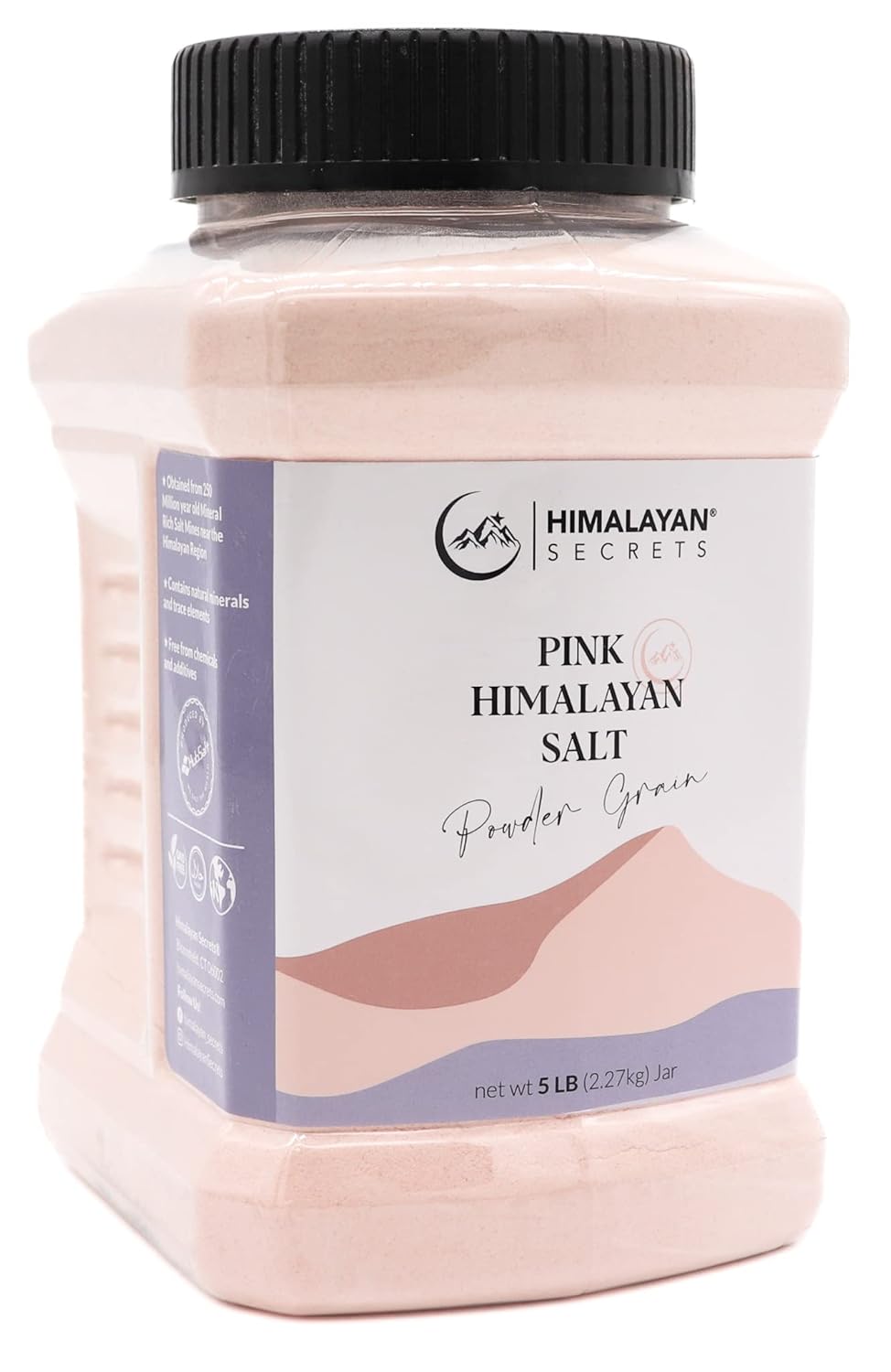
| Sodium chloride (salt) | 180 g | 30 tsp |
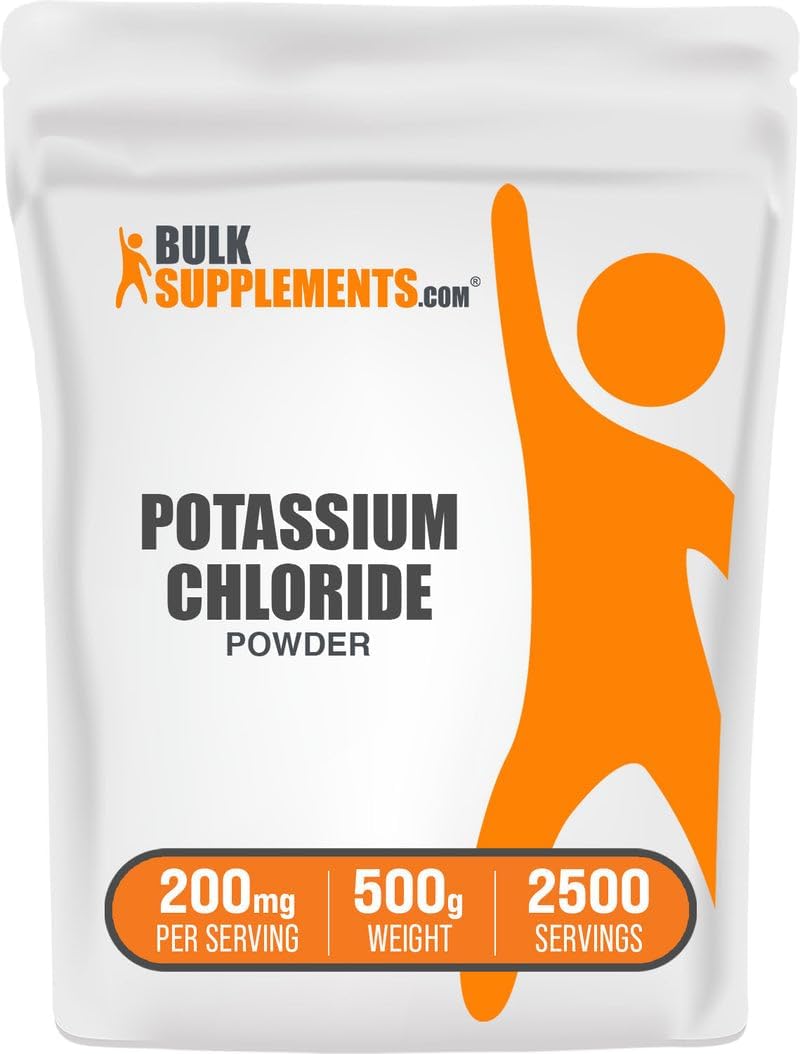
| Potassium chloride | 24 g | 5 tsp |
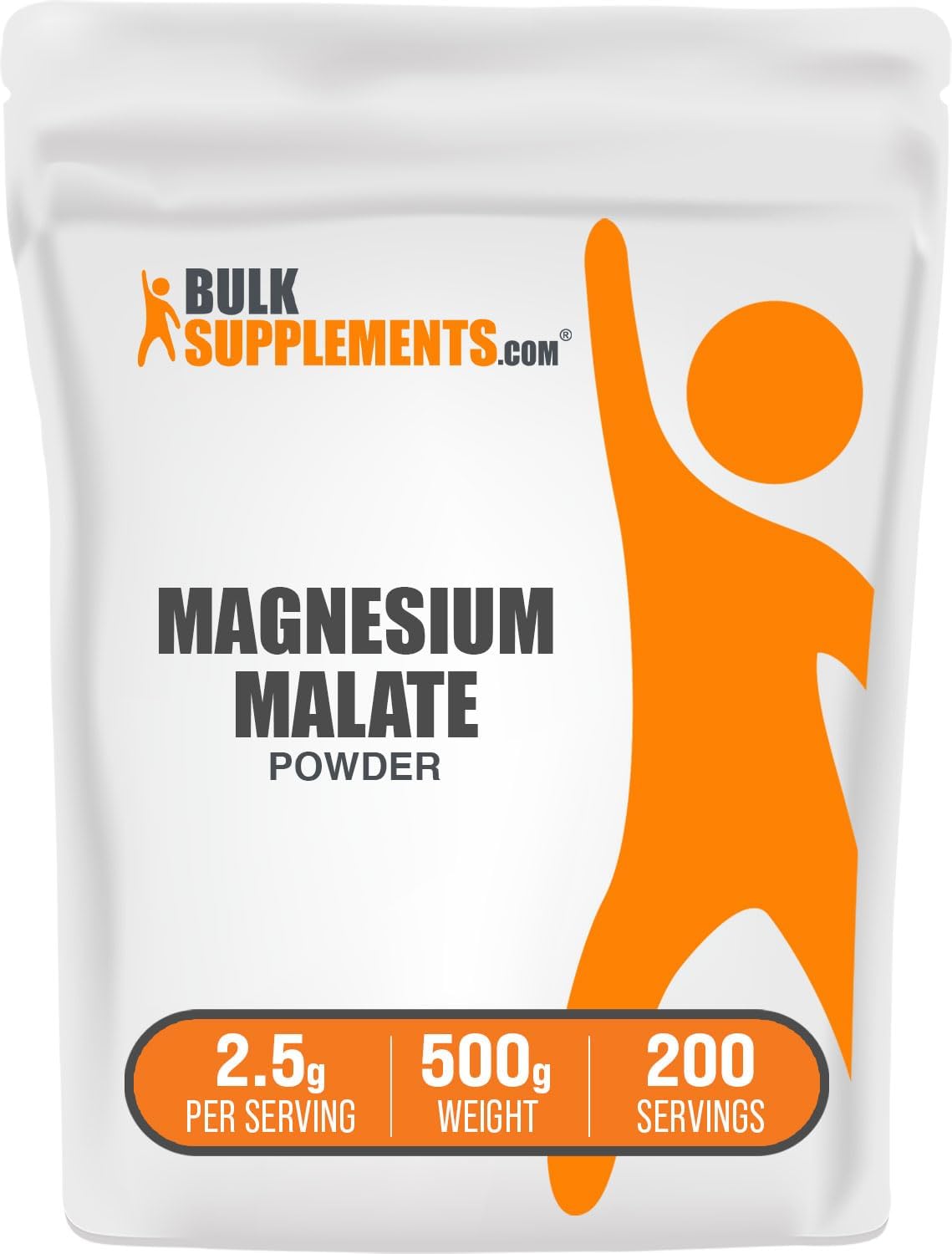
| Magnesium malate | 11 g | 5 tsp |
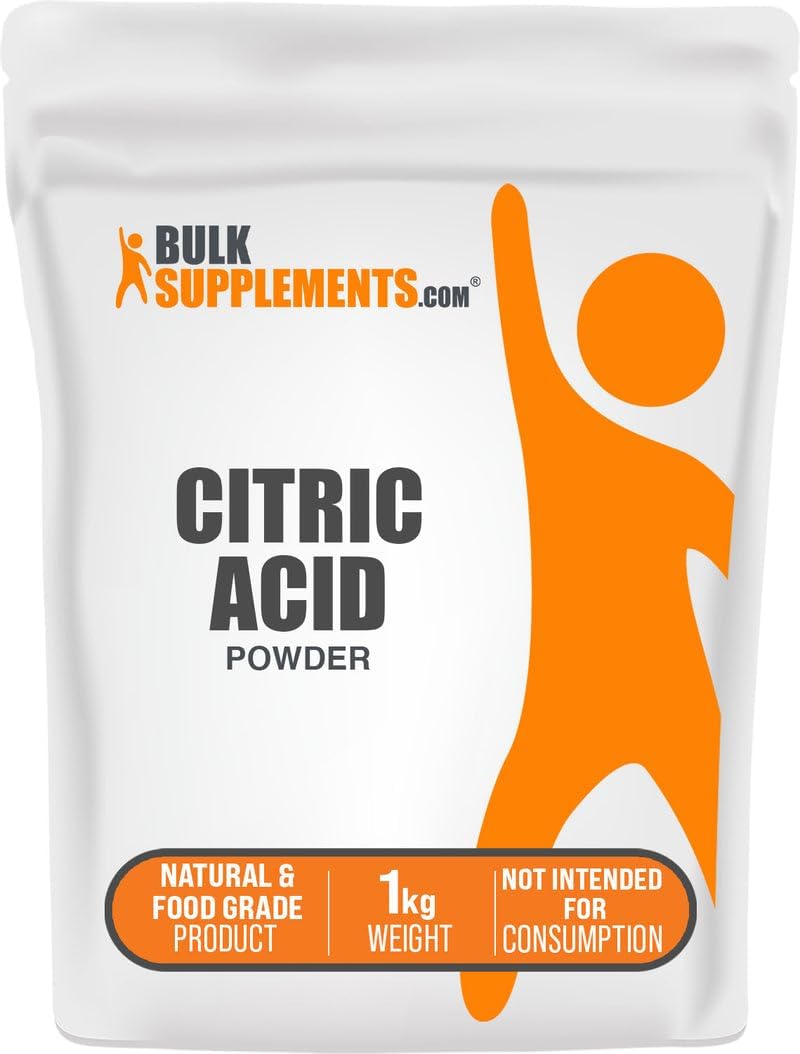
| Citric acid | 40 g | 10 tsp |
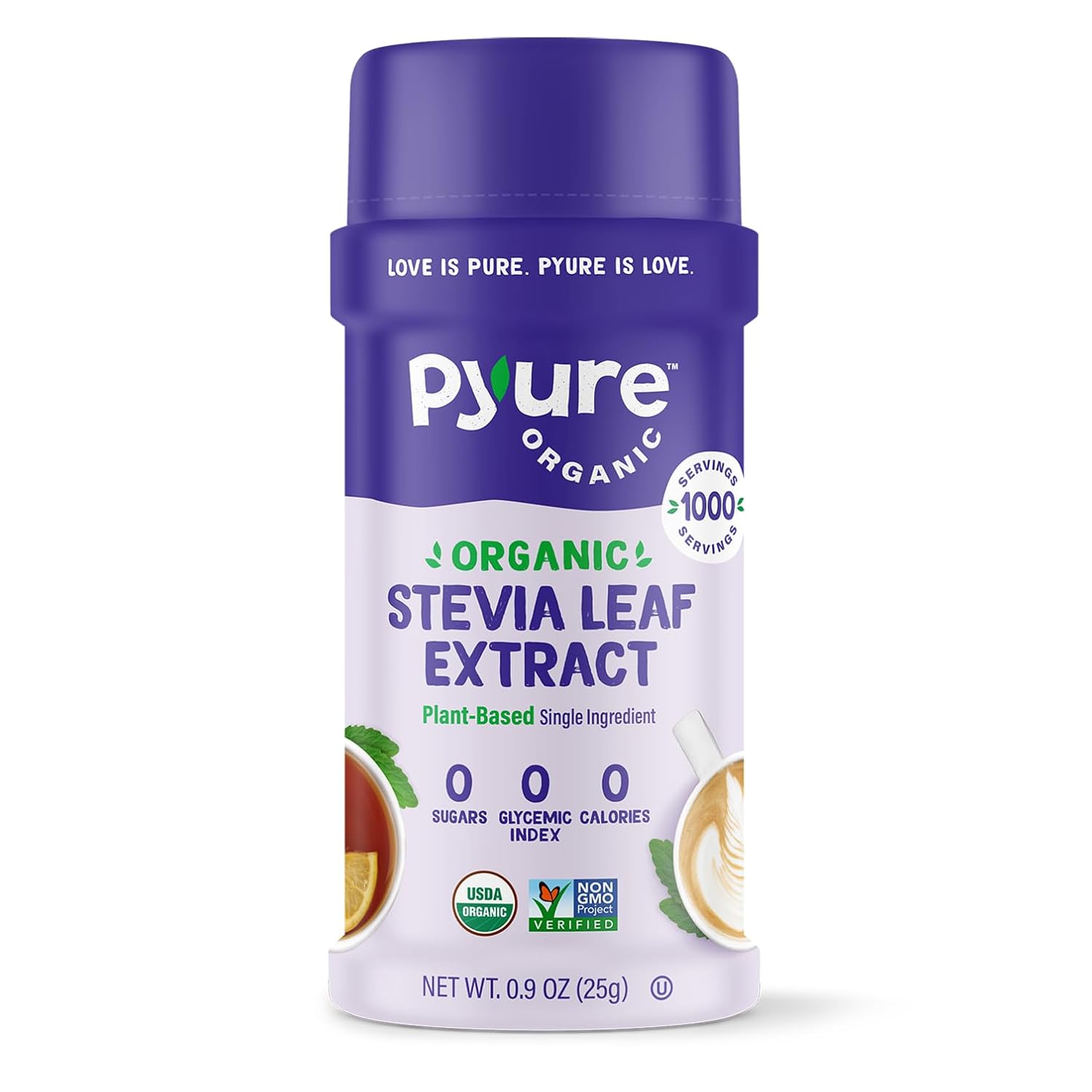
| Stevia | 0.75 g | 1.5 tsp |
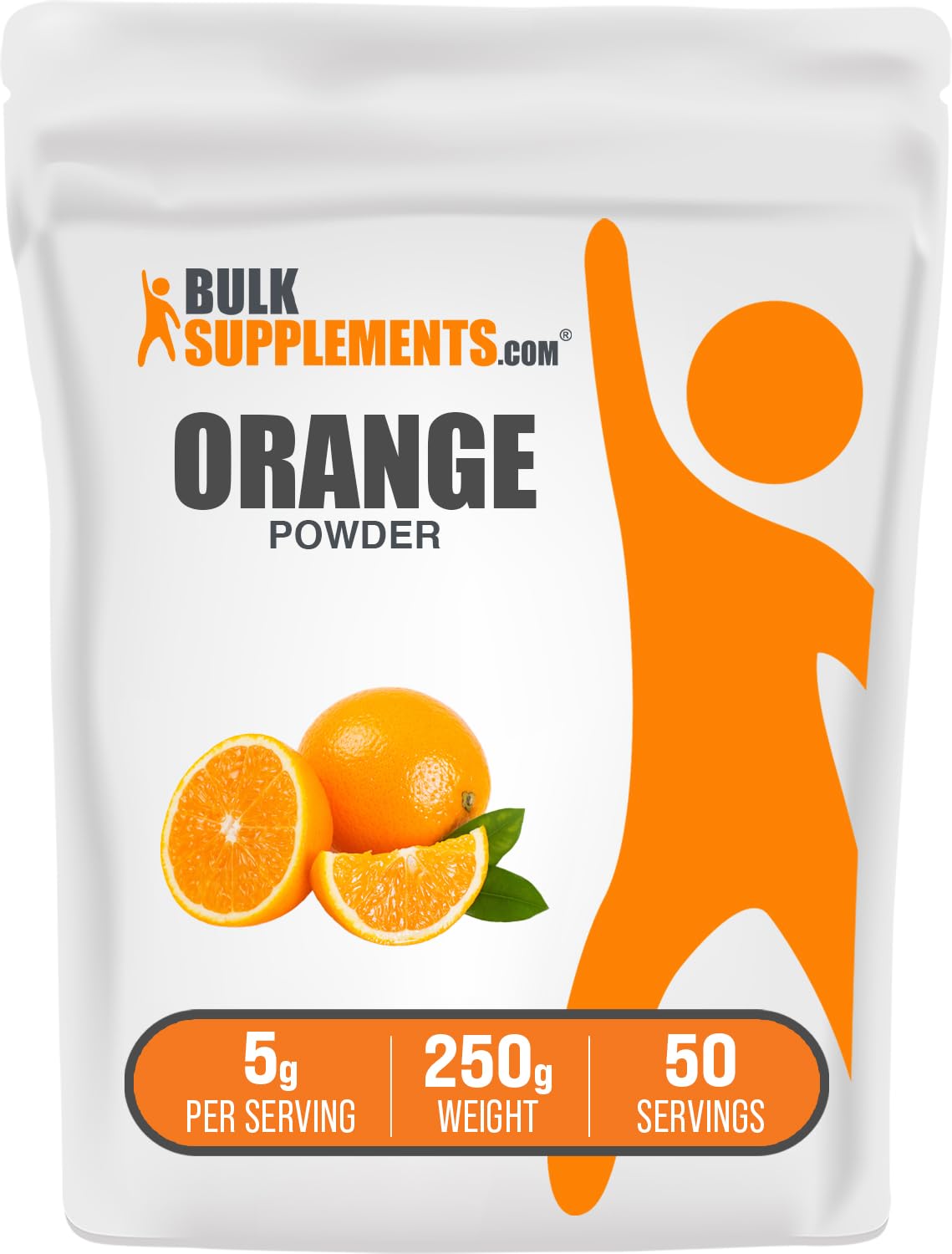
| Orange powder | 12 g | ~4.8 tsp |
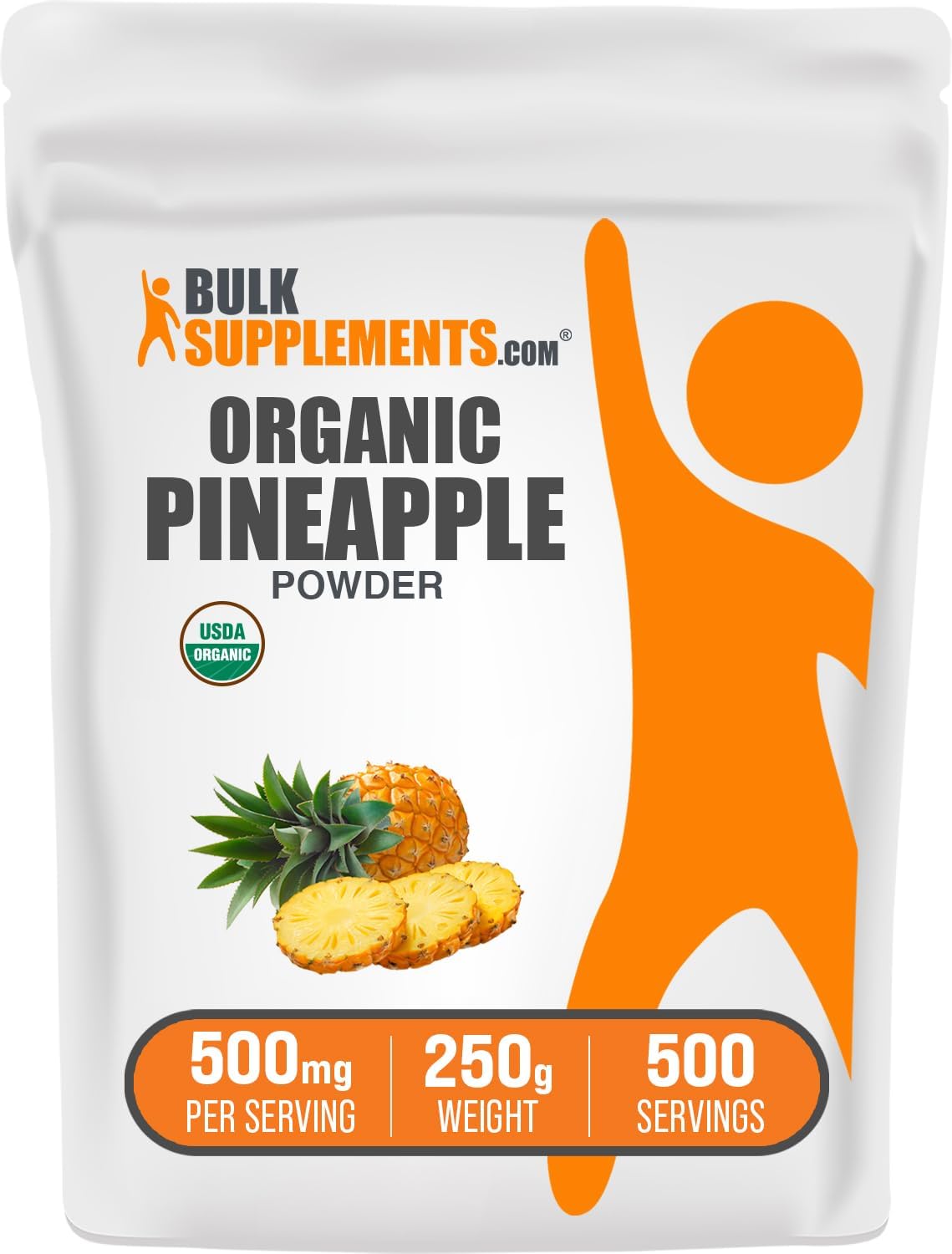
| Pineapple powder | 12 g | ~4.8 tsp |
| Total batch | ≈280 g | — |
Tip: the fruit powders are only for flavor. Orange and pineapple are my picks, but if I were you, I'd experiment with whatever fruit powders you want to use.
The 280 g of powder can be put in any kind of jar. Measure it all in, seal it, and shake. I made my last batch tonight in 5 minutes.
My dose is about 9 g per 24 ounces of water. I use a scoop per shaker bottle, about 24 oz. The scoop is about 9 g and it seems about right, but you may find that you want more or less — ymmv.
I use it every day that we're at work, normally, unless I space it and run out of powder. Since it's just a powder, you only need the jar — add it to whatever water you can get.
The magnesium malate and the potassium chloride are just some less common electrolytes that we lose — but we lose them at a much lower rate than salt. That's why salt is by far the biggest ingredient.
Although sugar does have a place in energy drinks and electrolyte drinks in general, I personally don't want to add extra sugar to my diet, because I get plenty already from other things. Also, if I wanted to just get sugar in there, I would just get a Gatorade.
The citric acid, stevia, and fruit powders are only for taste. The citric acid makes the flavor pop, the stevia makes it sweet, and the fruit flavor just gives the flavoring.
I got the original basis for this recipe from the LMNT website. They provide a basic single serving of what an electrolyte powder should be — and I tweaked it from there until I really liked it.
This was a big reason I started. Buying electrolyte powder was very expensive with how fast we go through it, and buying Gatorade was even more expensive. The math on store-bought adds up fast:
Here's the real-world version, not a guess. Buying the whole set of ingredients up front cost me around $135 — and that's a one-time stock-up, not a per-batch cost. I'm now about 350 servings in, and the only things I've had to reorder are the salt and (soon) the citric acid, since those two make up the bulk of every batch. The other five ingredients still have plenty left for several more batches.
Based on current bulk pricing (which will vary over time), here's what each ingredient actually contributes to one ≈280 g batch — about 31 servings:
| Ingredient | In One Batch | Cost in Batch |
|---|---|---|
| Salt | 180 g | ~$1.19 |
| Potassium chloride | 24 g | ~$1.05 |
| Magnesium malate | 11 g | ~$0.51 |
| Citric acid | 40 g | ~$0.88 |
| Stevia | 0.75 g | ~$0.04 |
| Orange powder | 12 g | ~$1.05 |
| Pineapple powder | 12 g | ~$0.96 |
| Full batch | ≈280 g | ~$5.68 |
| Per 24 oz serving | ~9 g | ~$0.18 |
I don't like paying more just for the sake of it when I can make something just as good for a fraction of the price. Over a hot Texas summer of daily drinking, that difference is real money.
Approximate cost per serving — popular hydration products vs. this mix
Per-serving estimates from typical retail pricing; actual prices vary by retailer and over time. This mix runs about a third the price of even the cheapest name brand — and roughly a tenth of the priciest.
The exact products we buy — all shelf-stable and bought in bulk
(Amazon affiliate links — they support our free resources at no extra cost to you.)
It is important to note that adding too much potassium or magnesium can cause other issues, but at these dosages it should be very well within tolerance. We just shouldn't add a one-to-one ratio of salt to any of those — that would be far too much magnesium or potassium. I tweaked this until I really liked it while not giving myself magnesium or potassium poisoning.
This is what works for us — it isn't medical advice. If you have kidney, heart, or blood-pressure concerns (or take medications that affect potassium), check with your doctor before loading up on extra electrolytes.
We're the crew up on the ladder in the August sun so you don't have to be. If your windows could use some love while you stay in the AC, we'd be glad to help.